Understanding Cloudflare: More than just a DNS provider
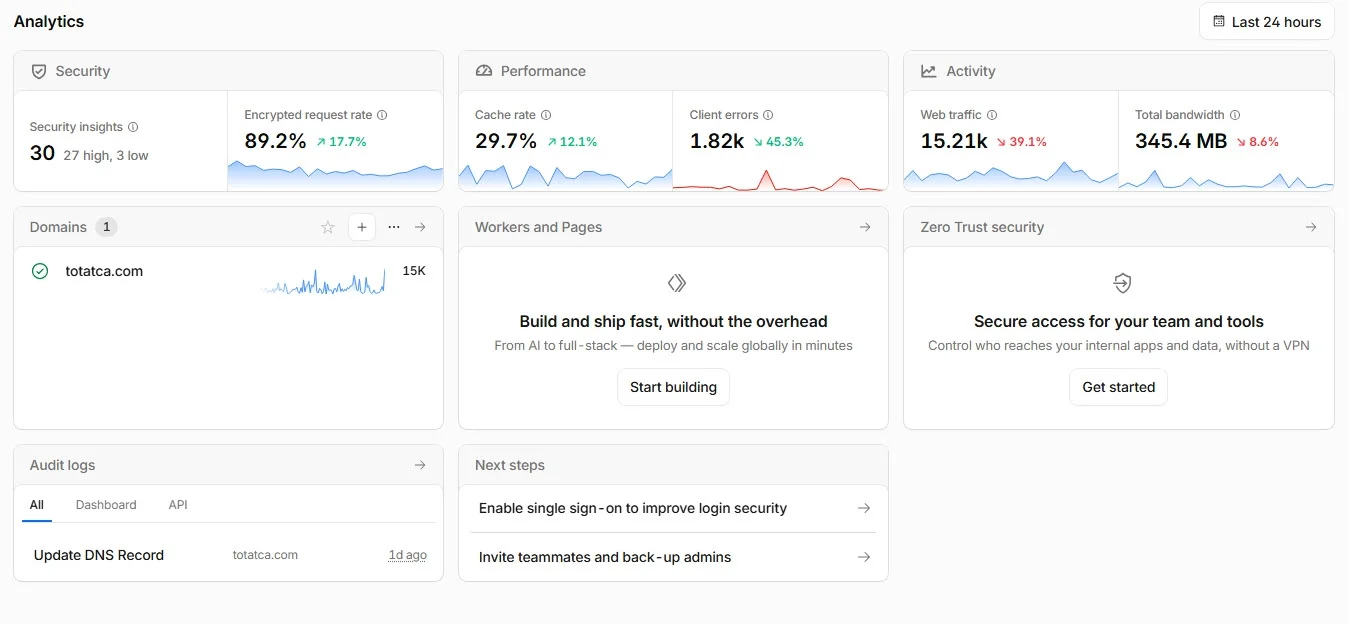
Whether you are launching your first website, managing a VPS, or building a self-hosted environment with tools like WireGuard, Nextcloud, or a home NAS, you have likely encountered Cloudflare. While many recognize Cloudflare primarily as a free DNS provider, this only scratches the surface of what it offers.
Cloudflare powers millions of websites worldwide, ranging from personal blogs to the largest online services. It delivers a broad suite of networking, security, and performance solutions that help websites load faster, stay resilient against attacks, and simplify management.
In this article, we’ll dive into what Cloudflare is, how it functions, and why it has become an indispensable tool for web developers, system administrators, and self-hosting enthusiasts.
What is Cloudflare?
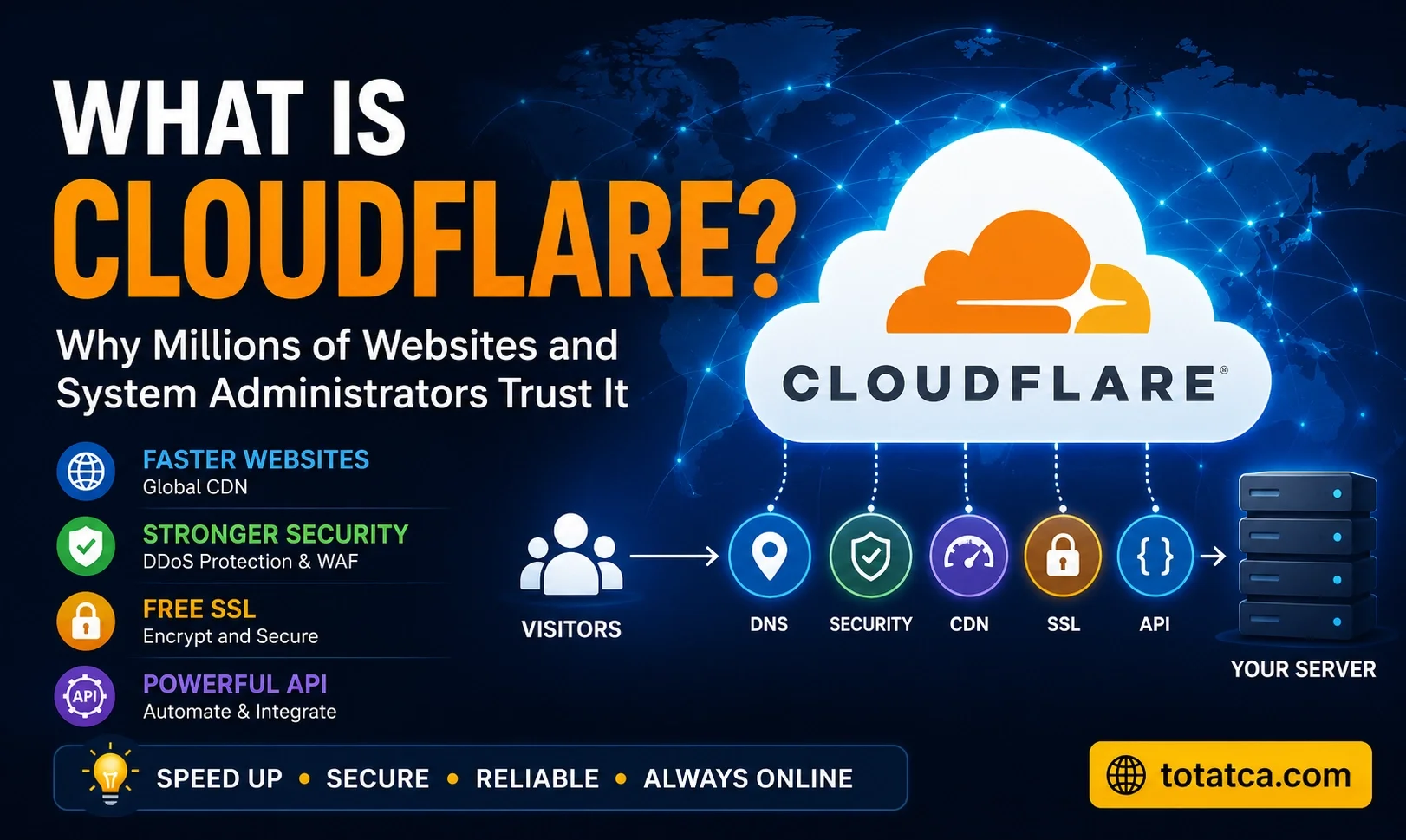
Cloudflare is a global cloud platform offering Internet infrastructure services such as DNS hosting, content delivery, security, and network optimization. Unlike traditional web hosting providers, Cloudflare does not store your website files. Instead, it operates as an intelligent intermediary between your visitors and your origin server.
When someone visits your website, their request passes through Cloudflare before reaching your server. During this process, Cloudflare can optimize traffic, filter out malicious requests, cache static content, and provide secure encrypted connections. This approach enhances website performance and security without requiring significant changes to your existing setup.
Is Cloudflare a web Hosting provider?
Your website files remain on your existing infrastructure, which might include:
- Shared hosting
- Virtual Private Server (VPS)
- Dedicated server
- Cloud instances
- Home servers
- Raspberry Pi
- NAS devices
Cloudflare acts as a smart gateway in front of your infrastructure, making connections faster, safer, and easier to manage.
Key services Cloudflare provides
DNS Hosting
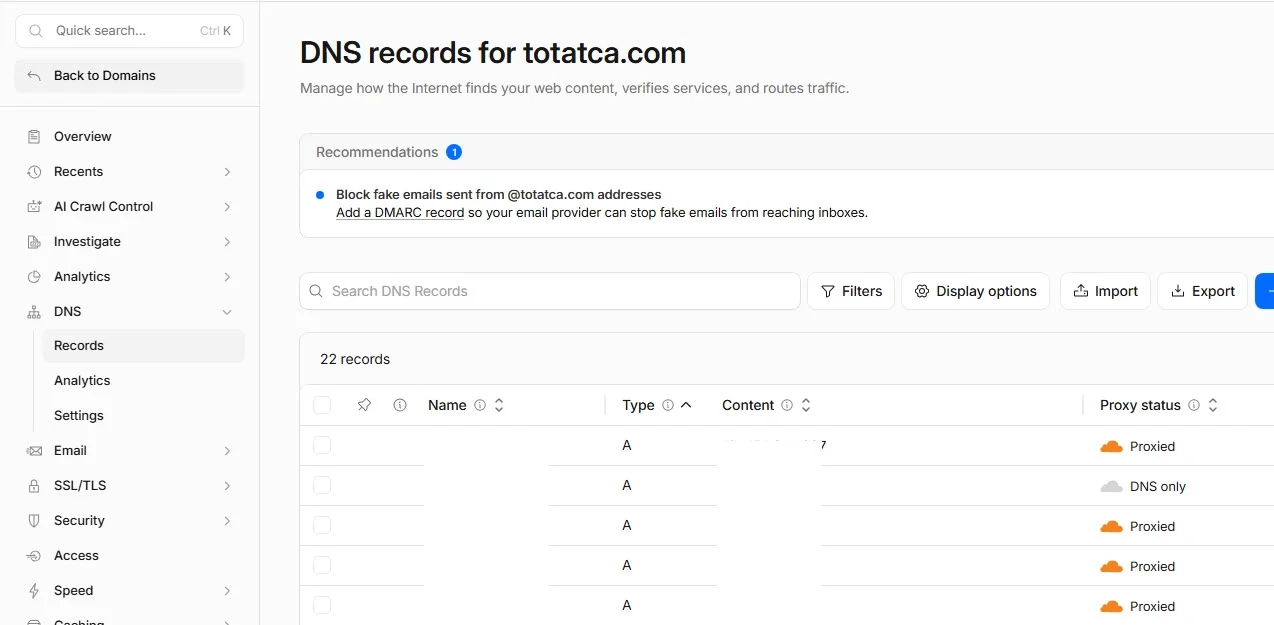
Cloudflare offers one of the fastest authoritative DNS services worldwide. You can easily manage various DNS records such as A, AAAA, CNAME, MX, TXT, SRV, and CAA records. Changes propagate quickly thanks to Cloudflare’s globally distributed network, which alone is a compelling reason for many to switch their domain DNS management to Cloudflare.
Content Delivery Network (CDN)
With hundreds of data centers worldwide, Cloudflare caches static content like images, JavaScript, CSS, and fonts closer to your users. This results in faster page loads, reduced bandwidth usage on your server, improved user experience, and better scalability during traffic spikes.
Free SSL Certificates
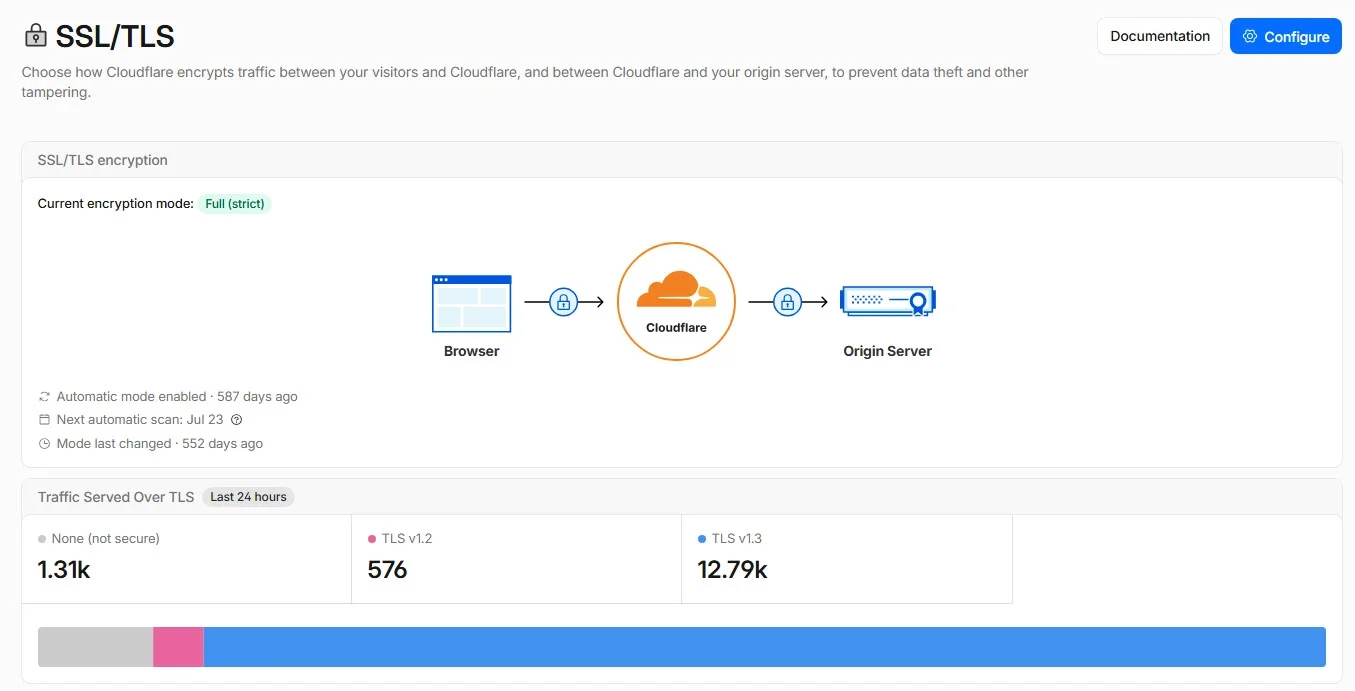
HTTPS is now a web standard, and Cloudflare simplifies SSL implementation by providing free SSL certificates and flexible encryption options. Even if your hosting provider doesn’t offer SSL, Cloudflare can often secure your website with minimal setup.
DDOS Protection
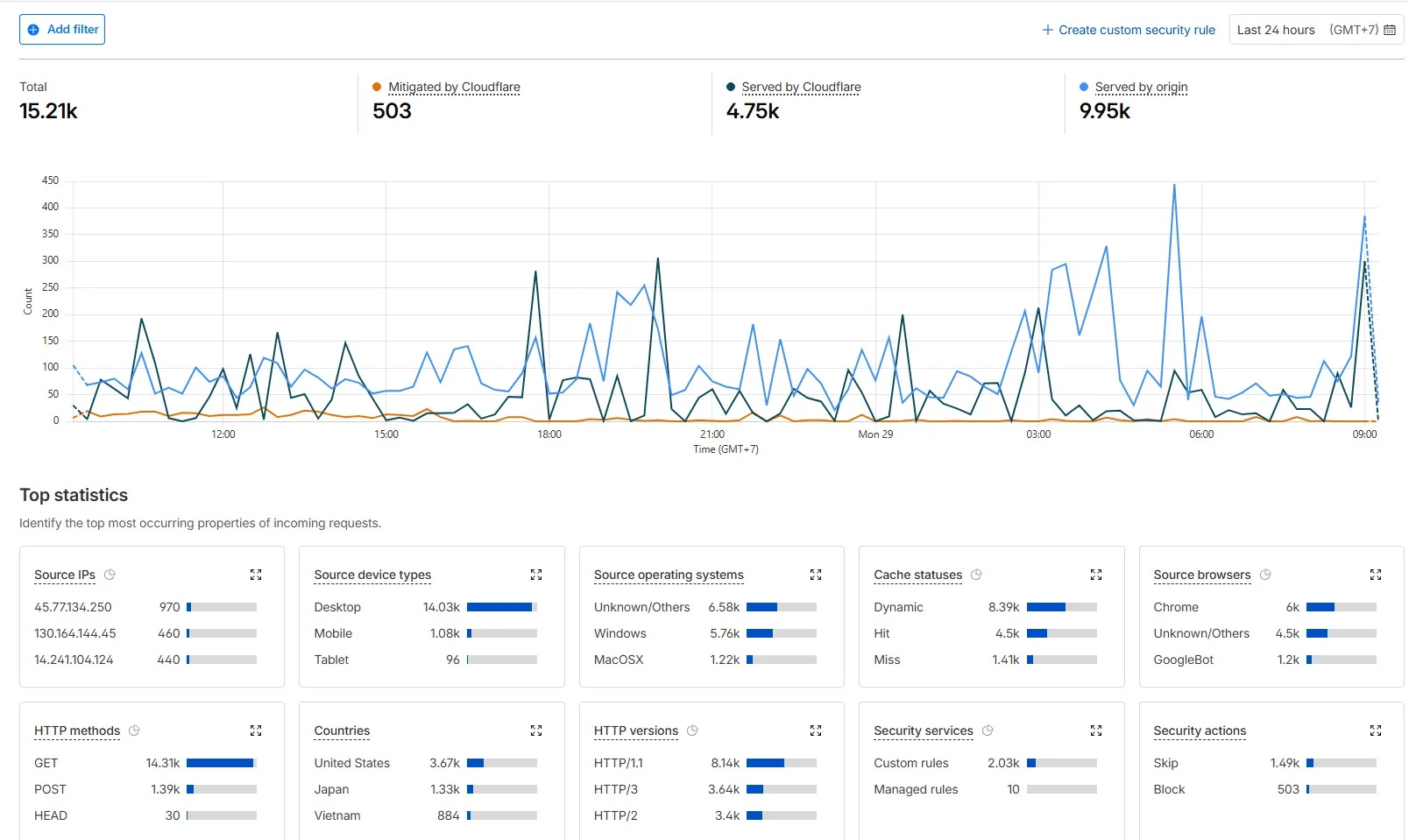
Cloudflare automatically detects and mitigates Distributed Denial-of-Service (DDoS) attacks, filtering out malicious traffic before it reaches your server. This protection ensures your website remains accessible even during large-scale attacks.
Web Application Firewall (WAF)
The Web Application Firewall protects against common web threats such as SQL injection, cross-site scripting (XSS), malicious bots, and exploitation of known vulnerabilities. Basic WAF features are included in the free plan, with advanced options available in paid tiers.
API and Automation
Cloudflare offers a powerful REST API that lets administrators automate DNS and infrastructure management tasks. You can create, update, and delete DNS records programmatically, automate deployments, and integrate with scripts or applications. This API functionality is ideal for implementing Dynamic DNS (DDNS) solutions.
Why Cloudflare is a favorite among Self-hosting enthusiasts
If you run services from home or office environments such as WireGuard VPN, OpenVPN, Nextcloud, Jellyfin, Home Assistant, NAS, reverse proxies, or personal websites, Cloudflare can be especially valuable.
Most residential Internet connections have dynamic public IP addresses that can change periodically. When your IP changes, remote users lose access unless DNS records are updated. Cloudflare’s API enables a small script on your Windows PC, Linux server, router, or NAS to automatically update DNS records whenever your public IP changes.
This means users can connect using consistent hostnames like vpn.example.com, nas.example.com, or cloud.example.com, without worrying about IP address changes.
Is Cloudflare free?
Yes, one of Cloudflare’s biggest advantages is its generous Free plan. It includes features such as authoritative DNS, global CDN, free SSL, HTTP/2 and HTTP/3 support, IPv6 support, REST API access, basic DDoS protection, DNS management, and Dynamic DNS support via API.
For personal websites, blogs, home labs, and many small businesses, this free tier is more than sufficient.
Do you need to transfer your domain to Cloudflare?
No. You retain domain ownership with your current registrar, whether that’s Namecheap, Porkbun, GoDaddy, Name.com, Squarespace Domains, or others. To use Cloudflare, simply update your domain’s nameservers to point to Cloudflare. This delegates DNS management to Cloudflare while your registrar remains the domain owner.
Should you use Cloudflare?
For most users, the answer is yes. Whether running a personal website, managing business infrastructure, or building a home lab, Cloudflare offers an unmatched combination of speed, security, automation, and reliability—especially given how much is available for free.
Its intuitive interface, robust API, and extensive global network have made Cloudflare the default choice for millions of developers and system administrators worldwide.
Final thoughts
Cloudflare is far more than just a free DNS provider. It is a comprehensive Internet platform designed to enhance performance, strengthen security, and simplify infrastructure management.
If you plan to host websites, deploy VPN servers, build self-hosted environments, or simply want a faster and more secure online presence, Cloudflare should be one of the first tools you explore.